Schlagwort: 2024

  • Pediatrician 
Dr. Pudenz

    Pediatrician Dr. Pudenz

    Internship

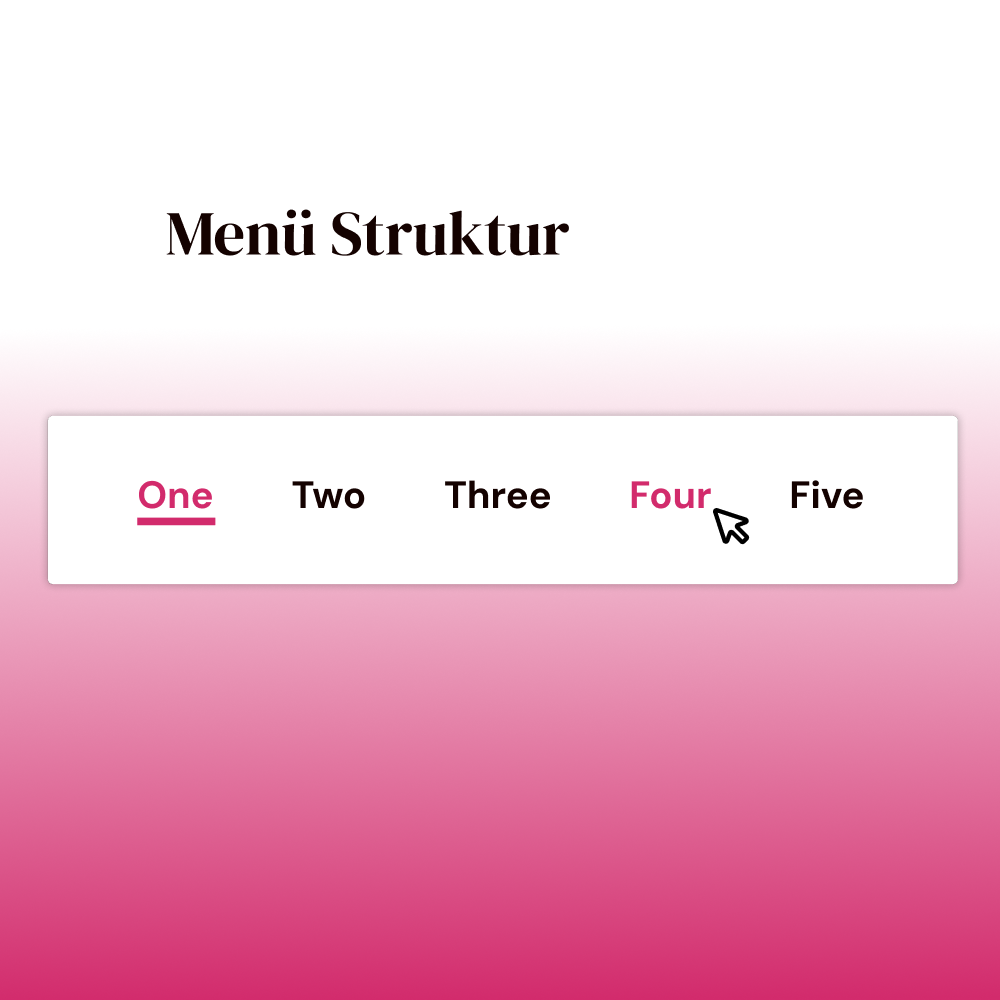
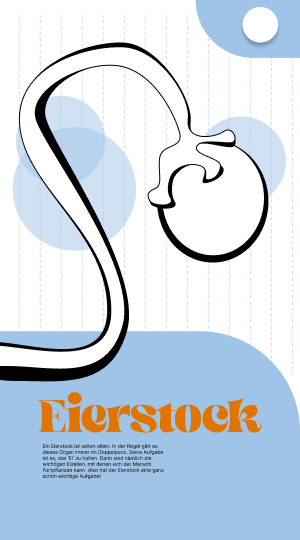
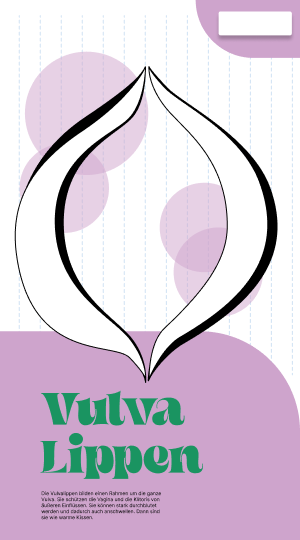
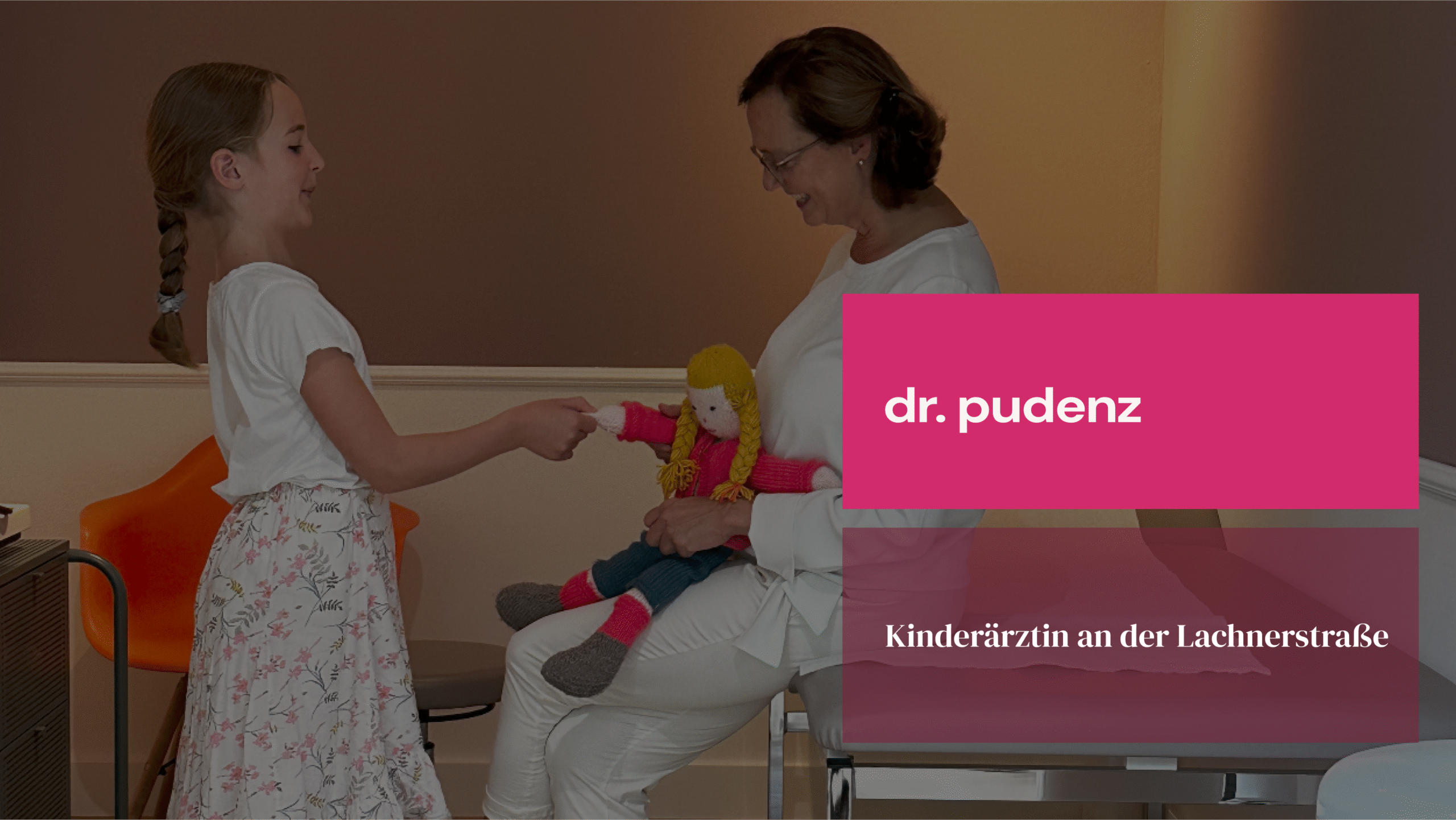
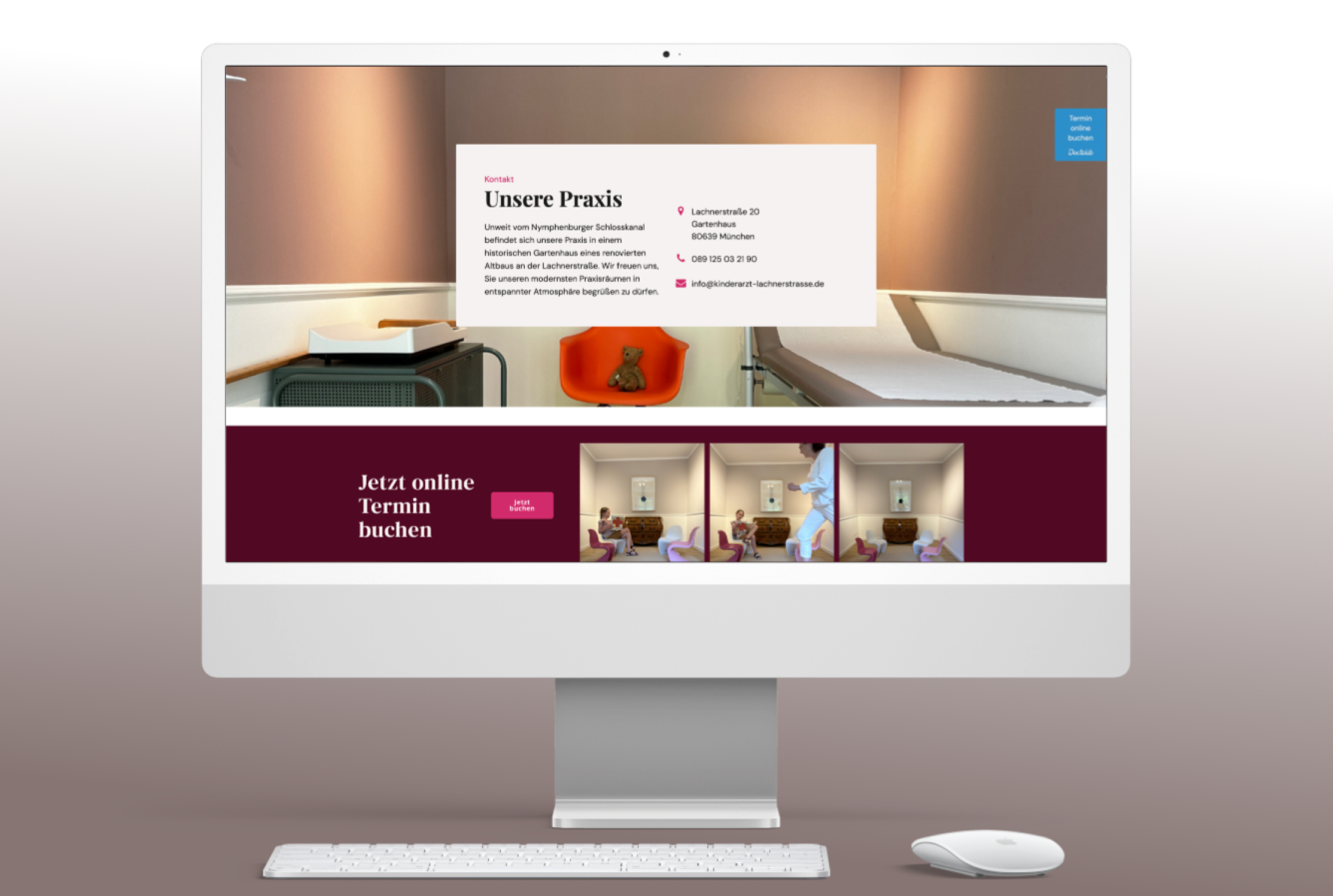
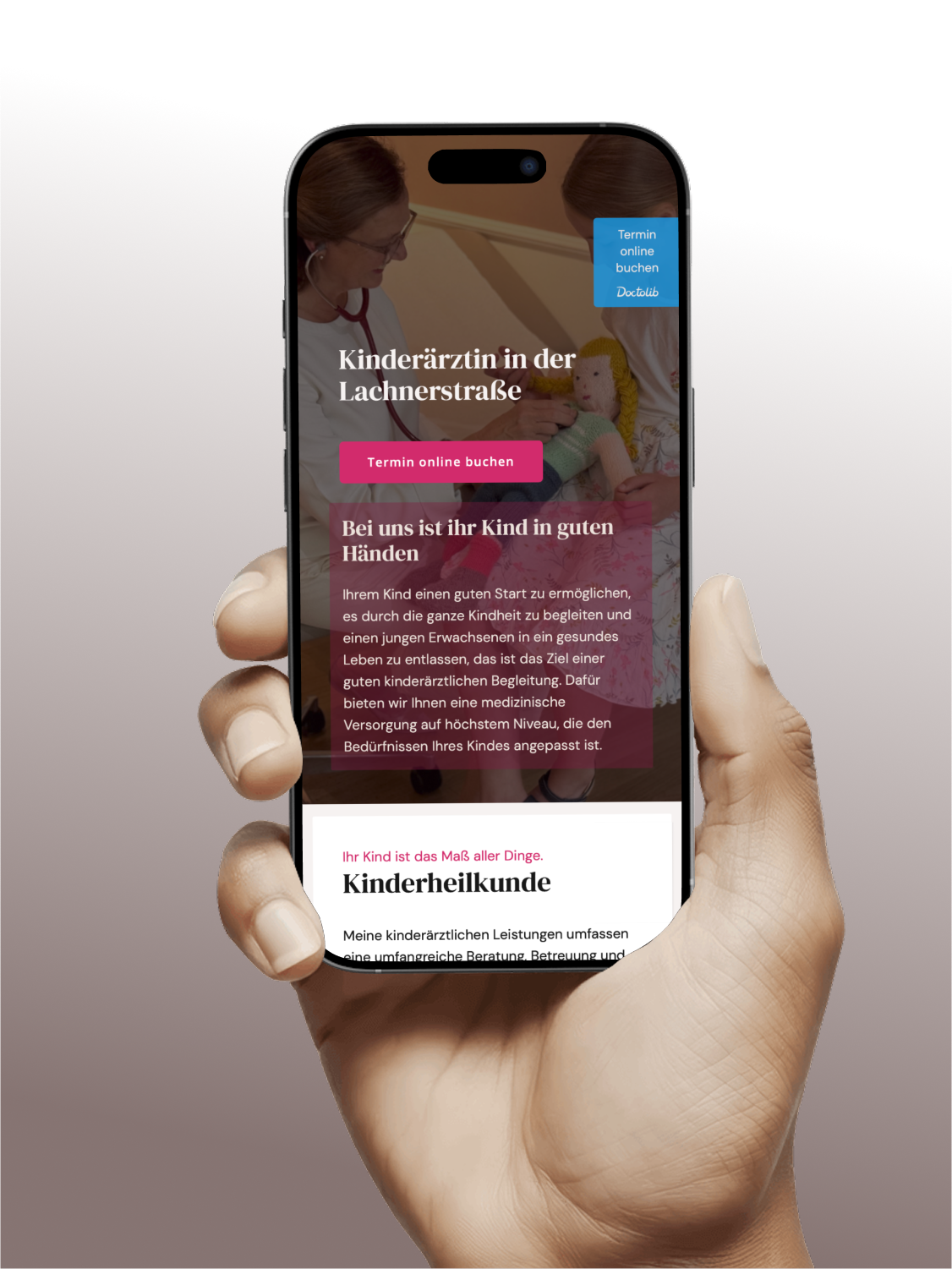
    During my internship semester at Neustart Munich, I redesigned the corporate identity and website for the pediatric practice on Lachnerstraße.

    I rebuilt the WordPress website from the ground up and organised the content in a clear, user-focused structure.
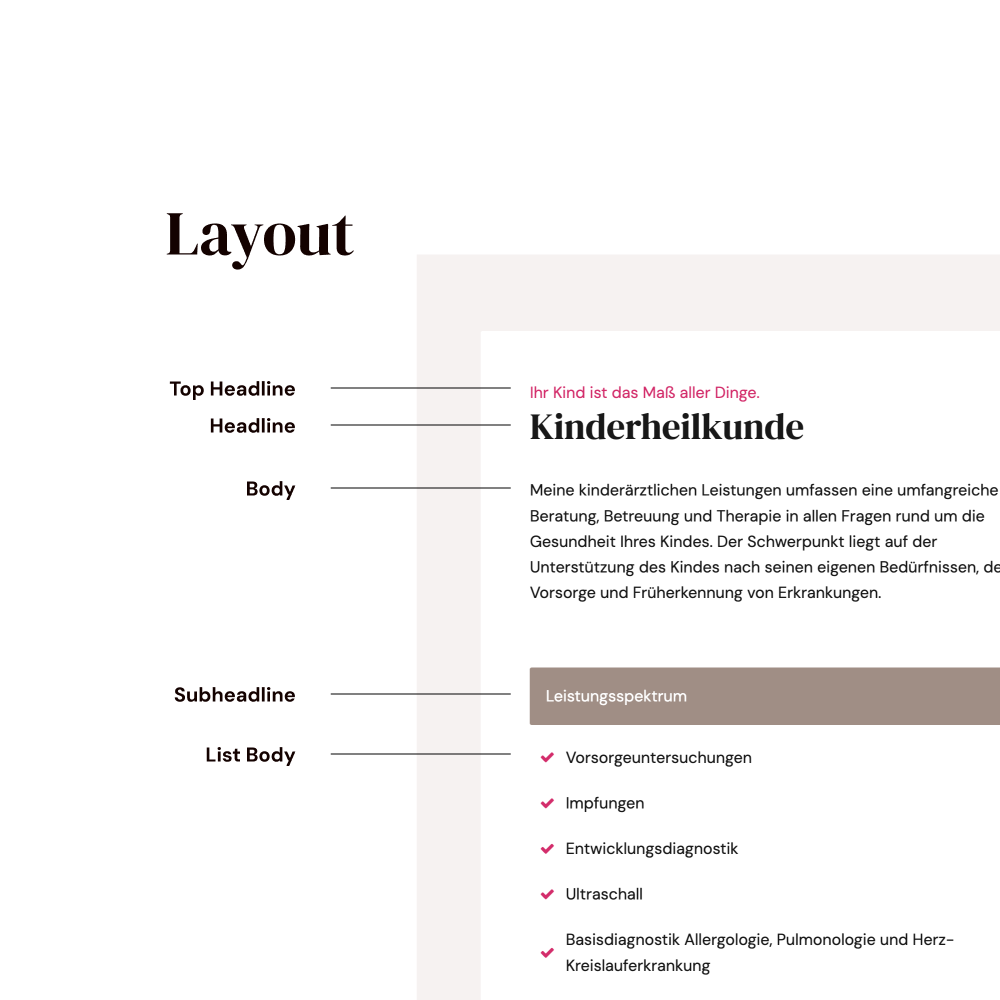
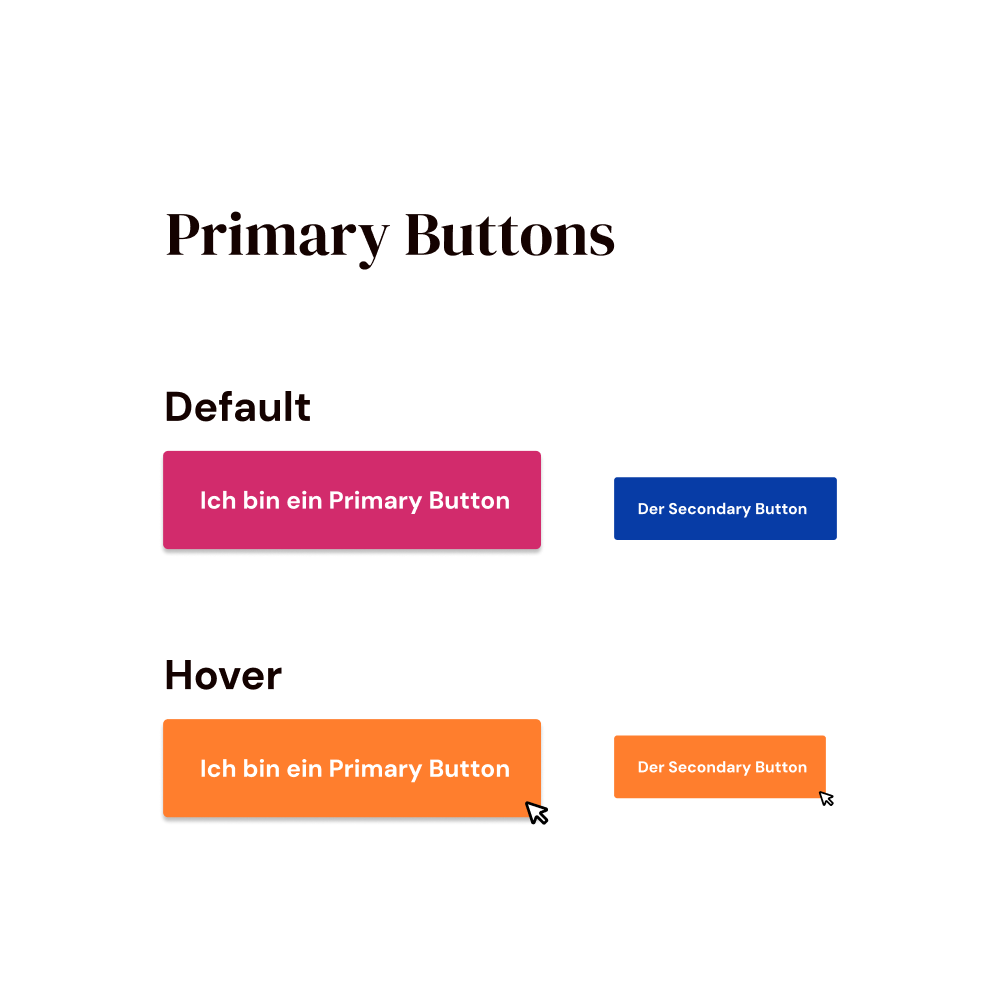
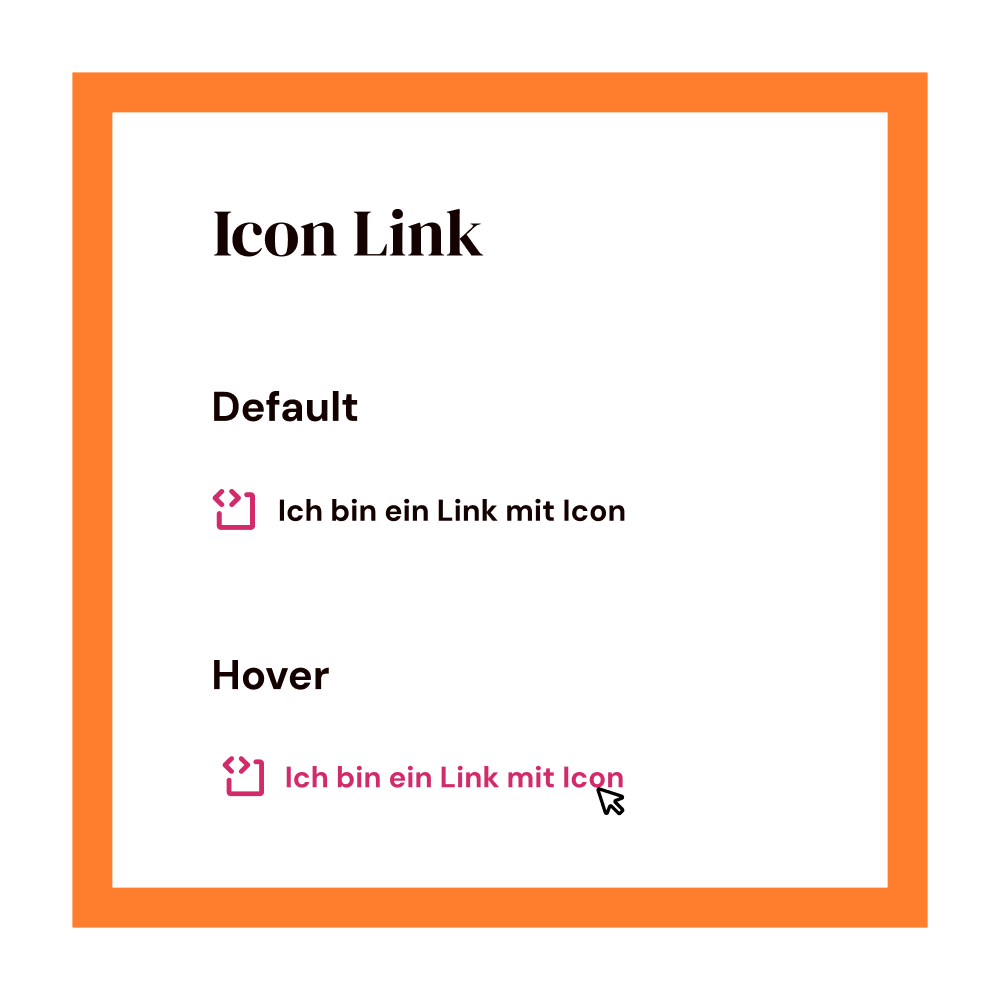
    All new design elements were compiled into a clear design guide, ensuring that Dr. Pudenz’s corporate identity can continue to develop with ease.

    What I valued most about this project was the high level of autonomy combined with close collaboration with Dr. Pudenz. Working with a client outside the design field, who had a clear vision and a strong sense of style, was enriching and enjoyable. I appreciated the process of developing ideas together and immediately putting them into practice.
  • timefonds

    timefonds

    Internship

    Bild einer Blume

    hands-on experience

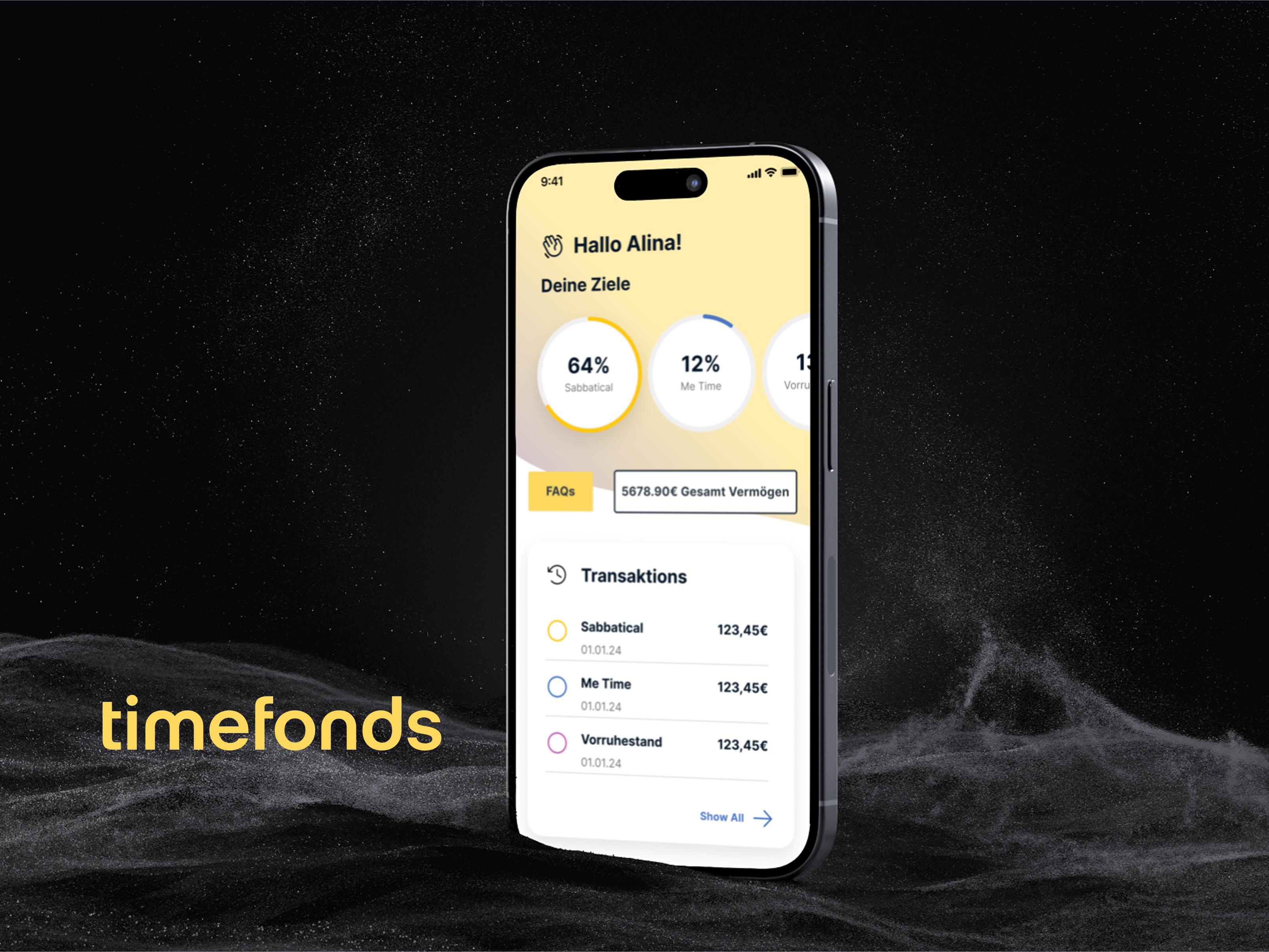
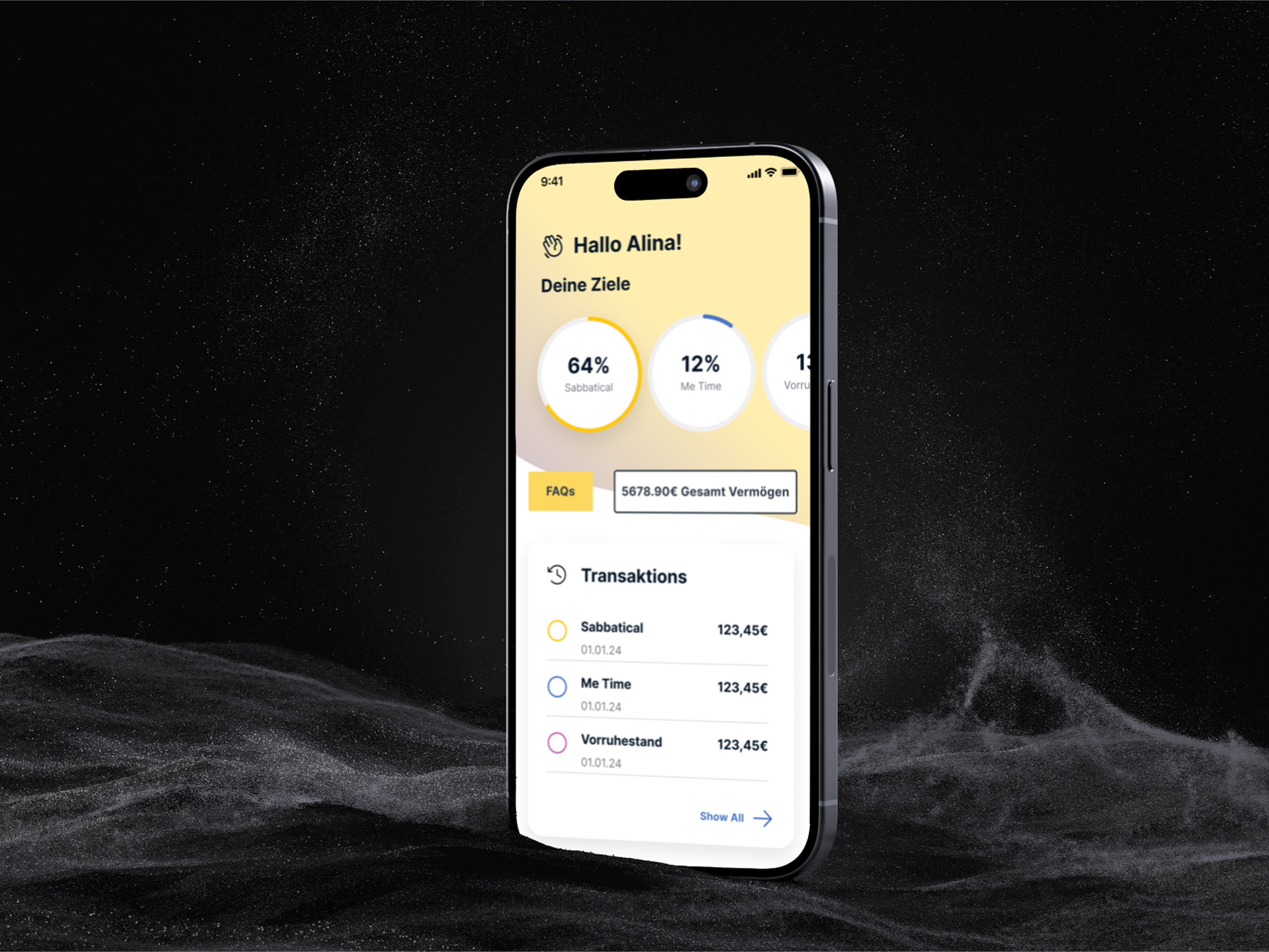
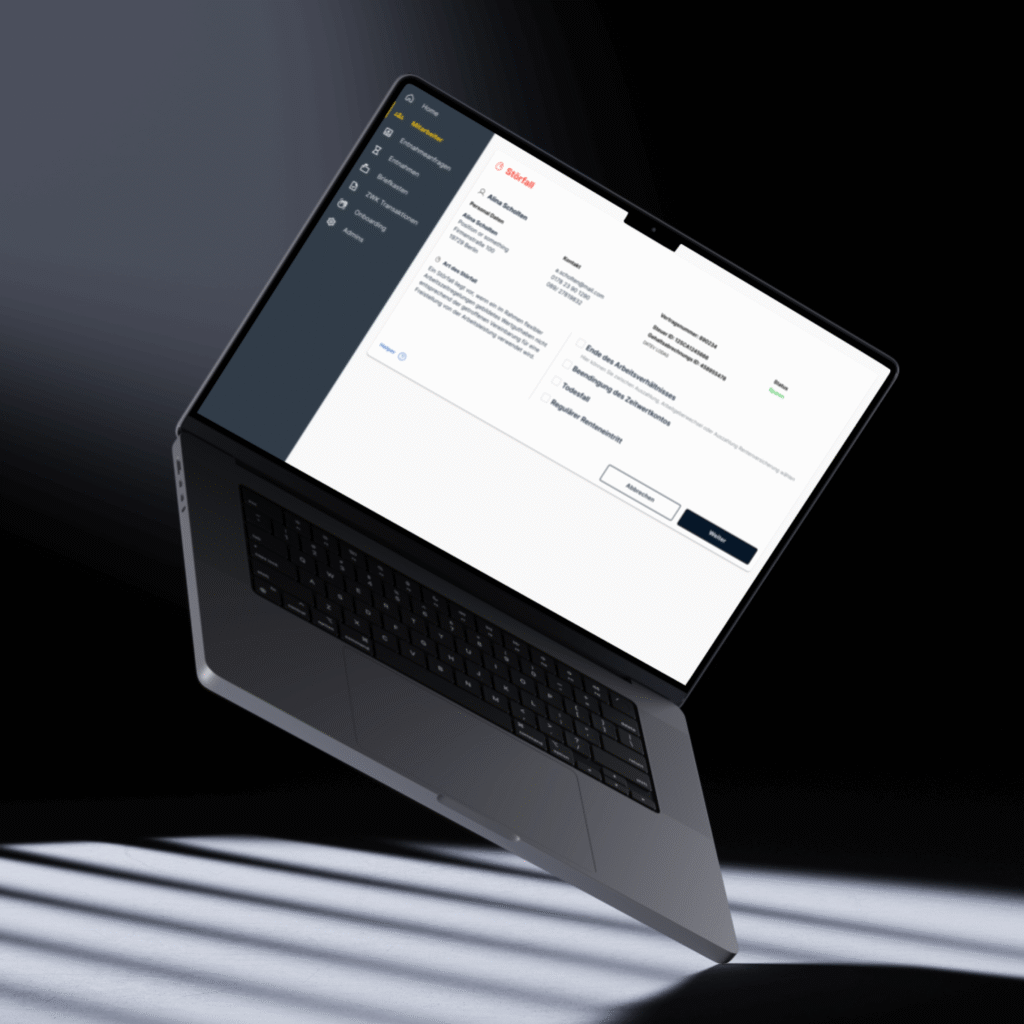
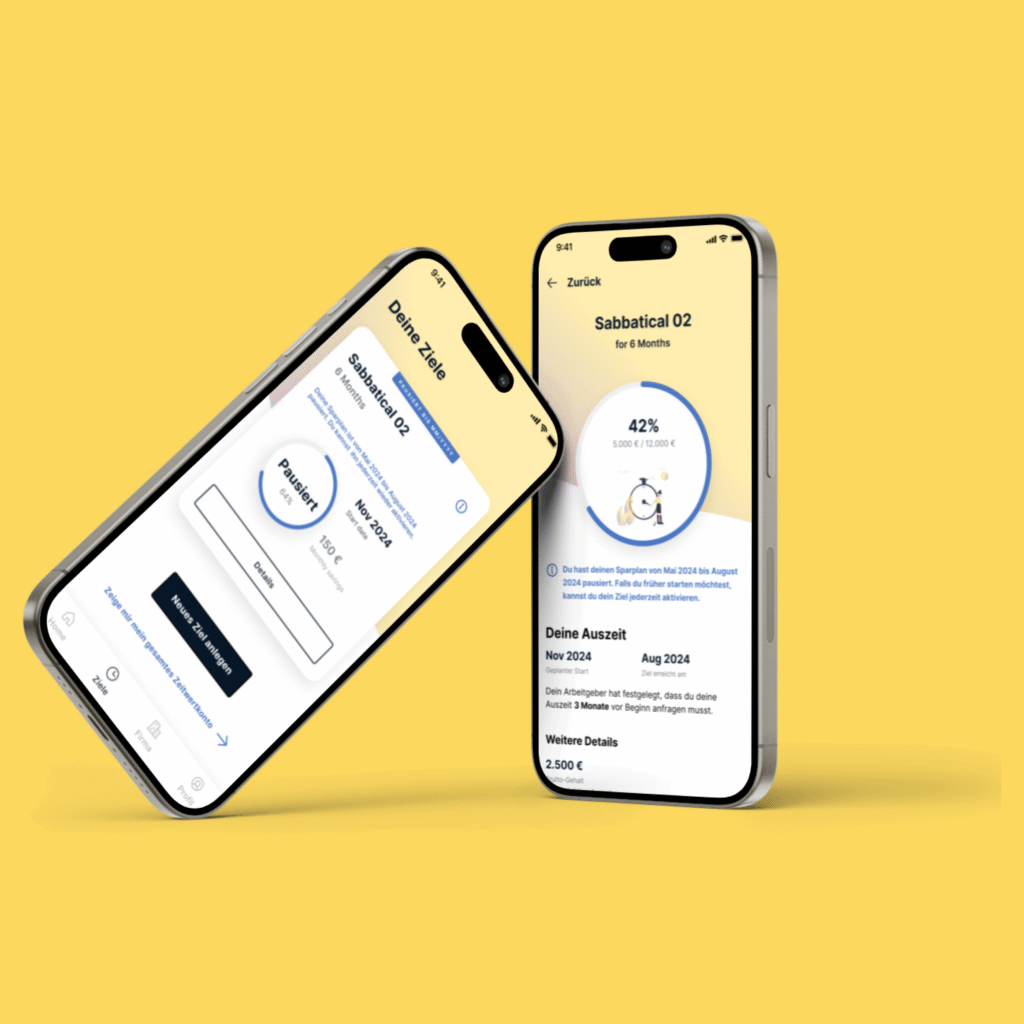
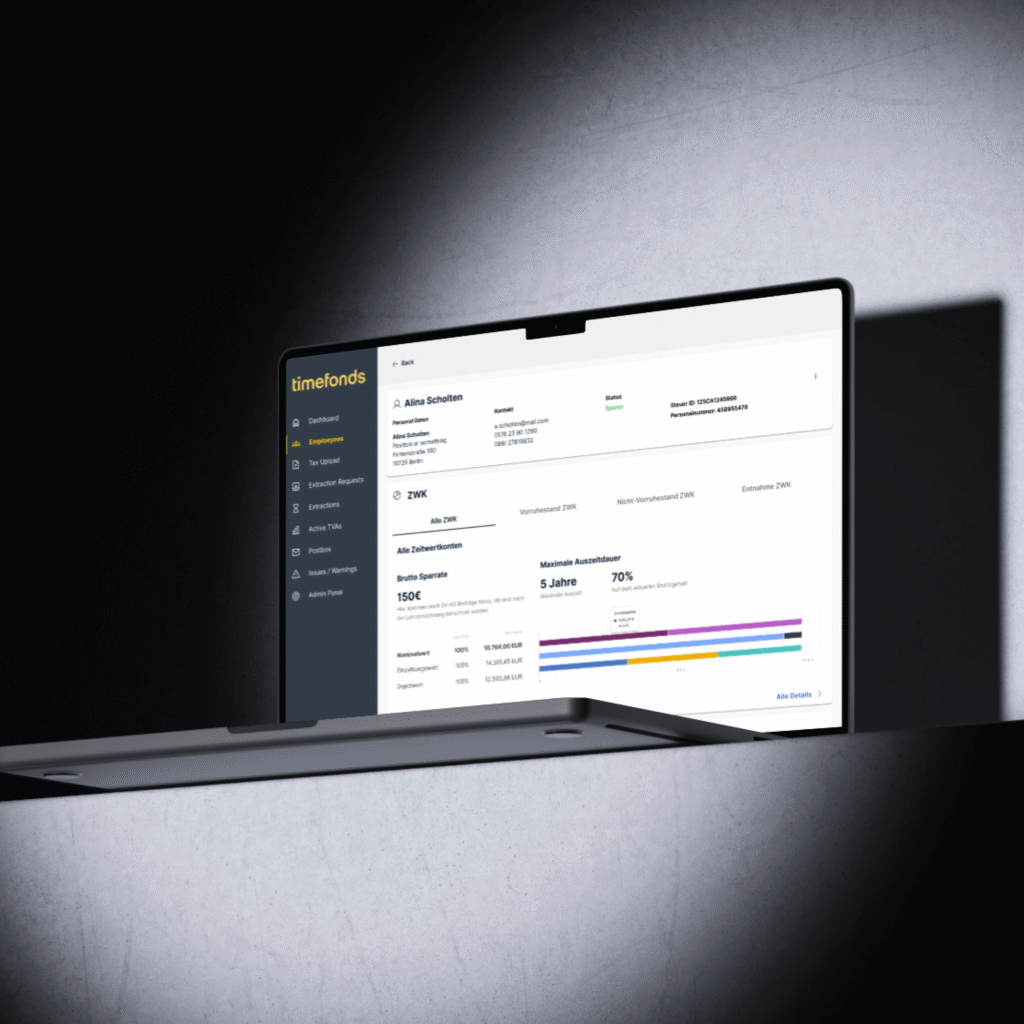
    Timefonds AG is a start-up offering a time value account service for employers. The innovation: even small and medium-sized companies can provide their employees with time value accounts, as Timefonds manages the entire organisational framework. The service includes a desktop application for HR departments to manage all employee accounts, and a mobile app that enables staff to manage their own accounts and personal savings goals.

    During my internship, I worked in Figma on both conceptual and visual design tasks. I prepared existing functions for developers, designed and implemented new service features, and created a style guide based on the atomic design principle.

    Weekly meetings with CEO Colin Altmeyer and project manager Elisa Schmidt provided insight into the workflows of interdisciplinary teams collaborating on an active, real-world product.

    summer 2024

    An interesting challenge was the combination of desktop and app design. The desktop version is intended for HR departments in companies offering time value accounts, which requires a very different approach to interaction design than the app. The app is designed for employees’ personal use, giving them an overview of their own time value account. Both components of the service, however, had to work seamlessly together. I found the interfaces between them particularly engaging: for example, how does the HR console handle a termination case compared to the app? I was closely involved in such UI/UX operations.

    My supervisor during the internship was Benedikt Burgmeier, who placed great value on participatory guidance and effective macro-management. This allowed me to develop creative ideas while ensuring that my work was realistically implemented within the project framework. I greatly appreciated this way of working together.

  • vent

    vent

    Interface Design

    Patients with sleep apnea rely on CPAP therapy at night. The device supplies air at increased pressure through a mask. This pressure is essential to keep the airways open during sleep.

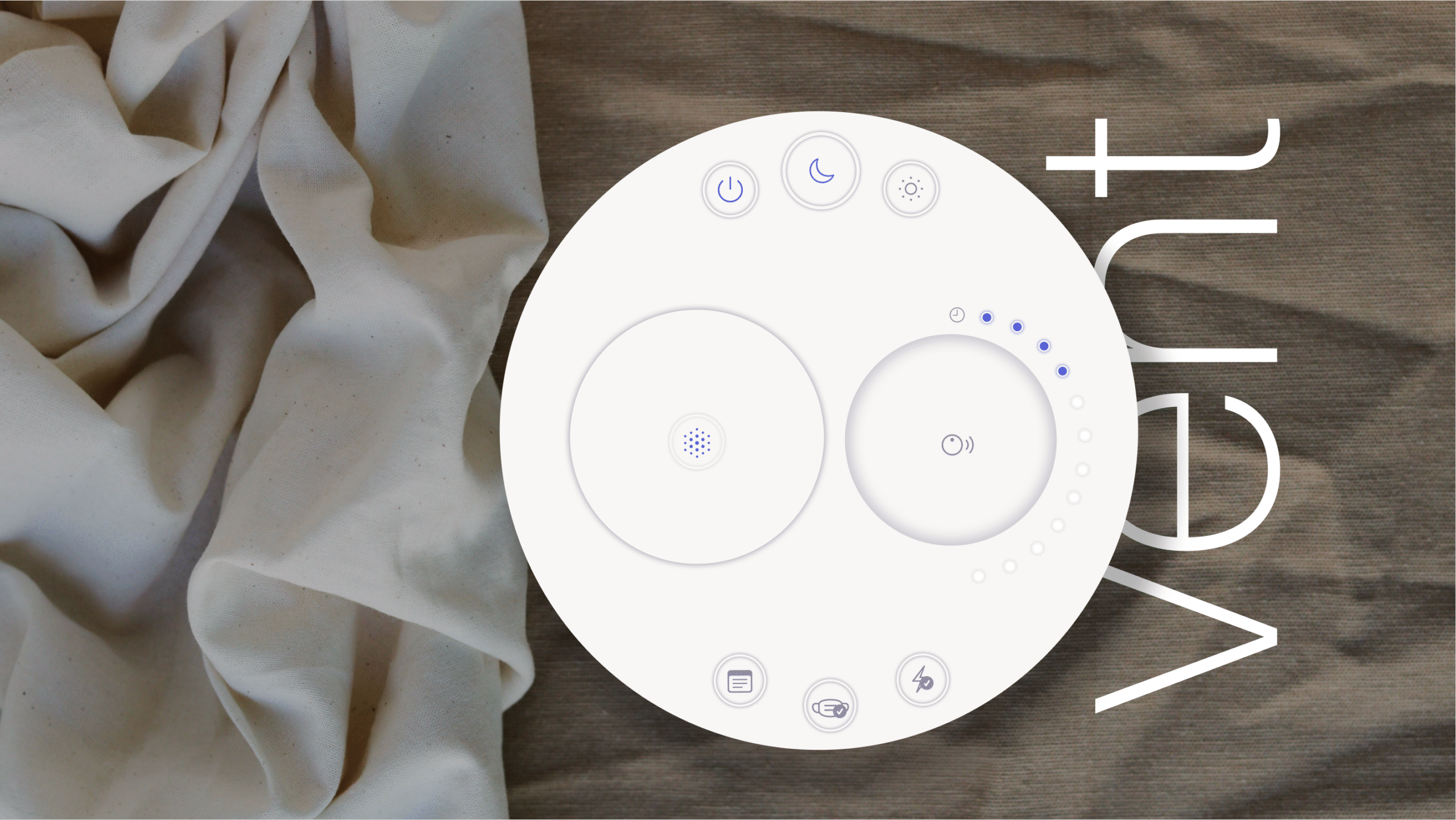
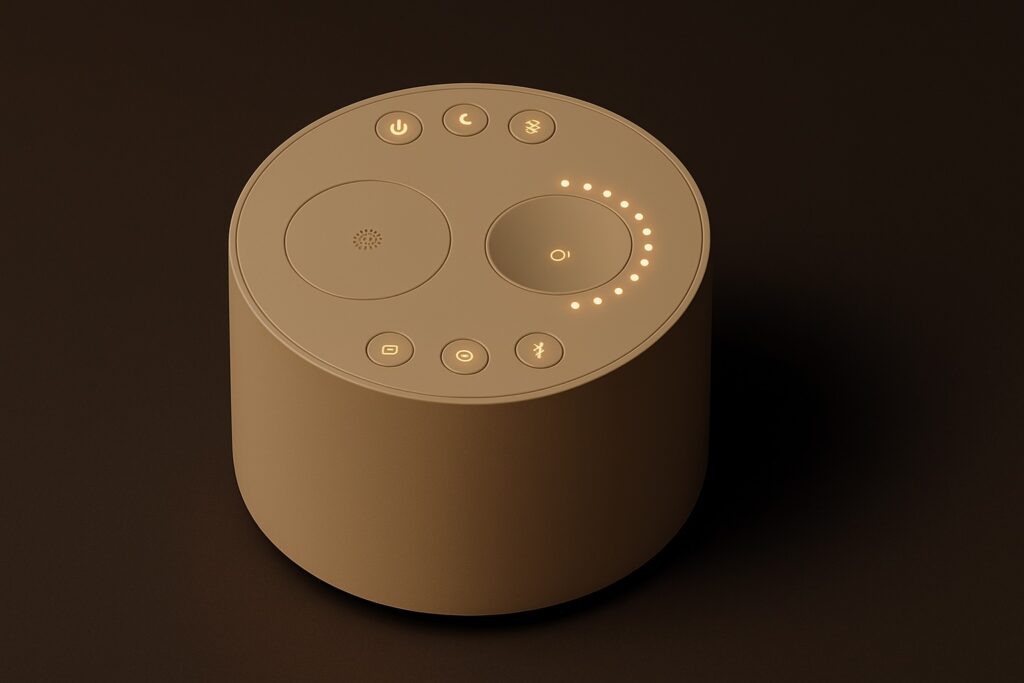
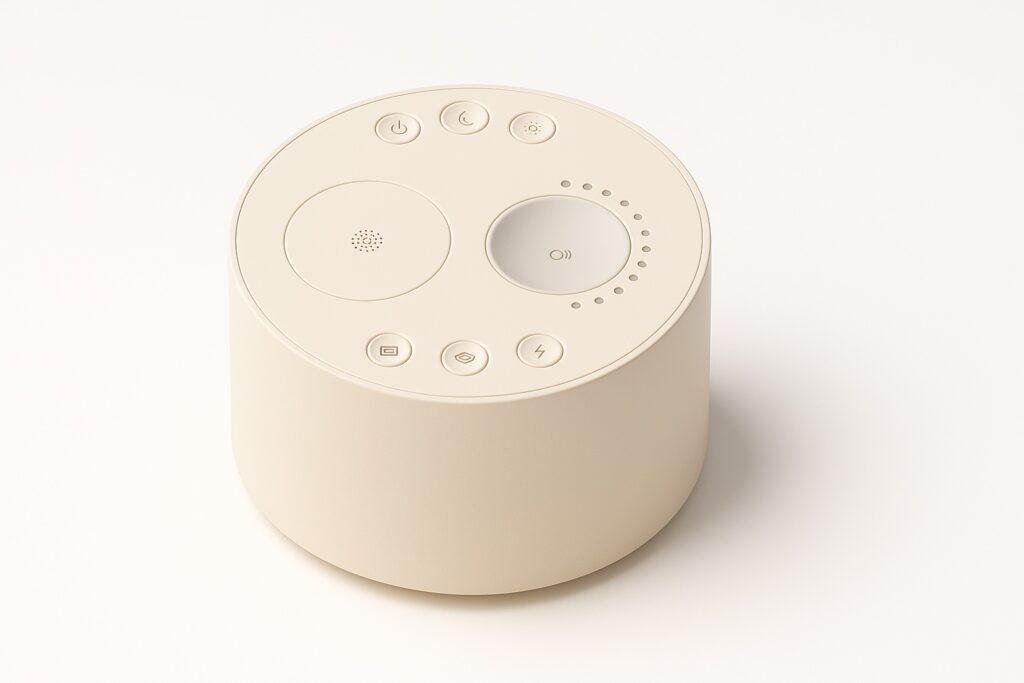
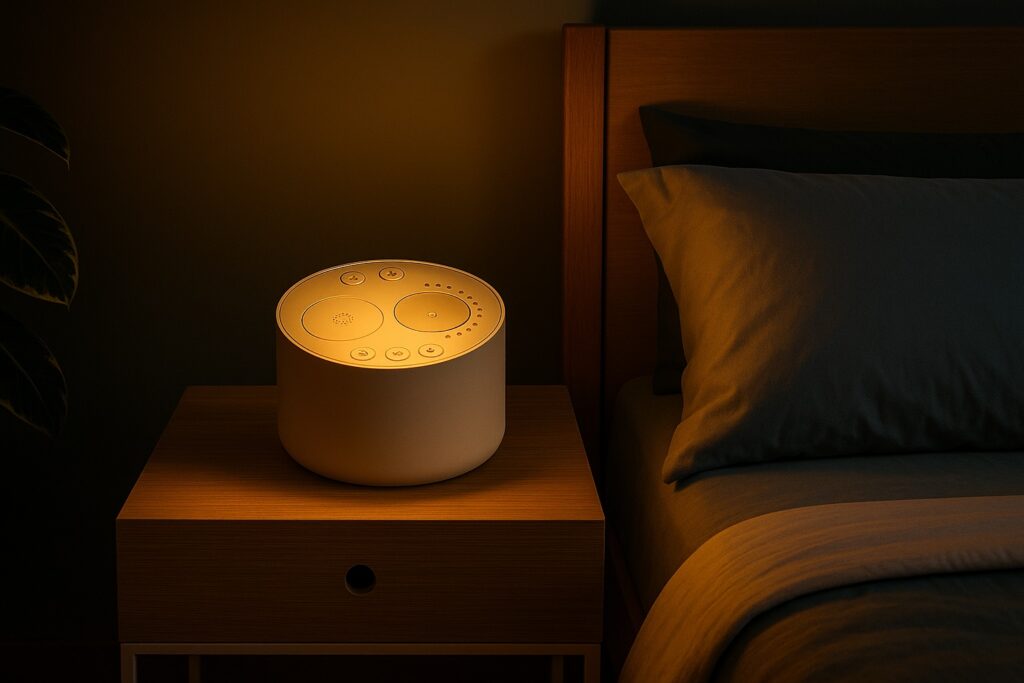
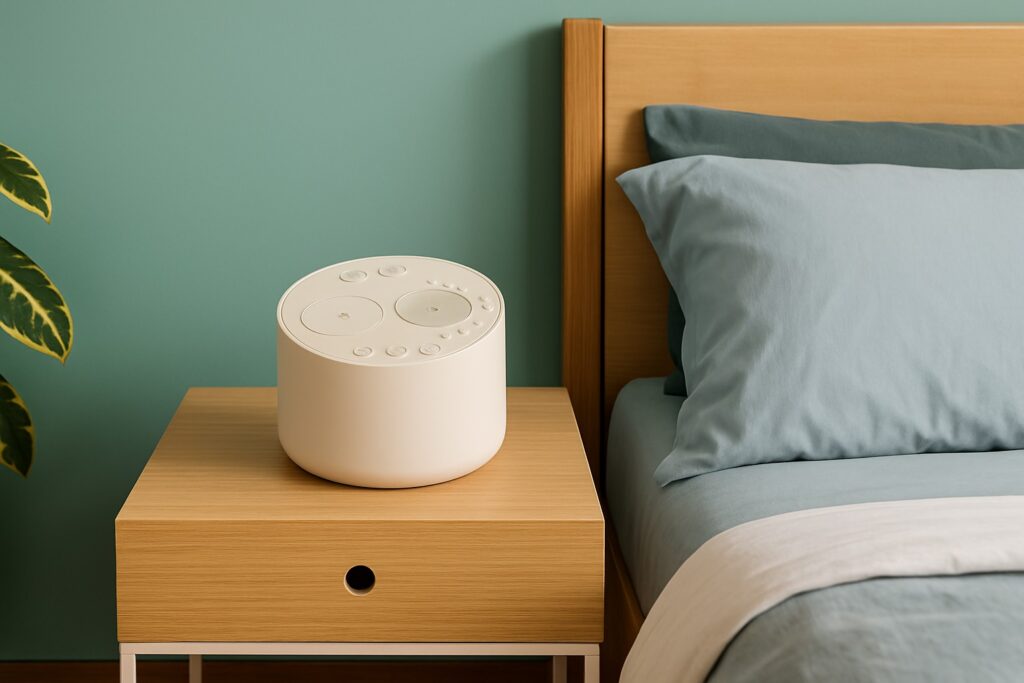
    vent is a minimalist, human-centered redesign of CPAP therapy devices.

    *
    *
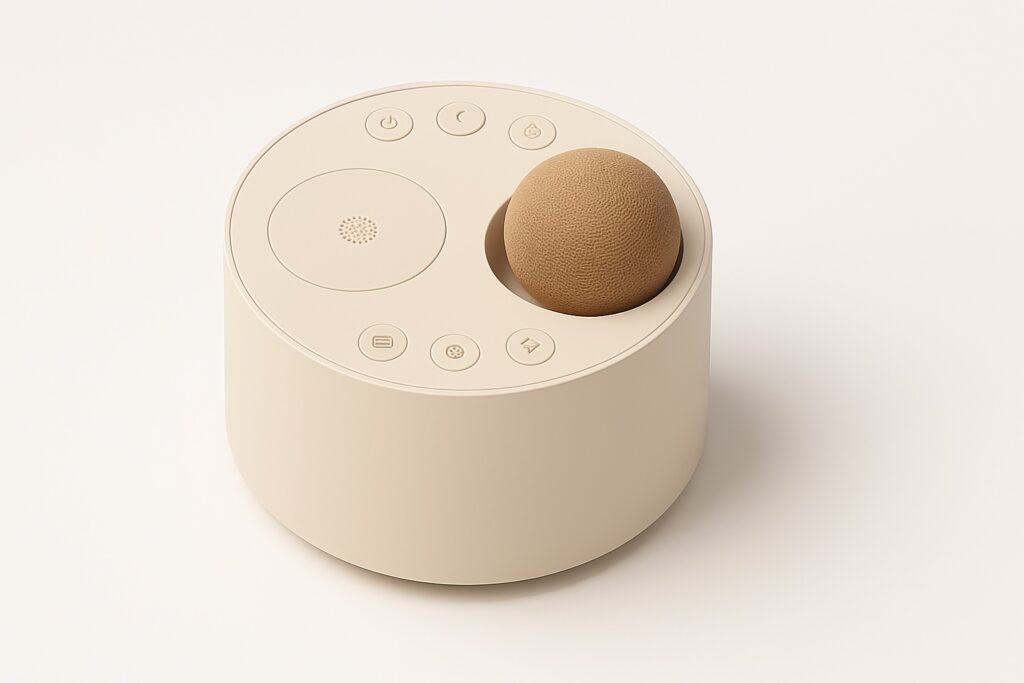
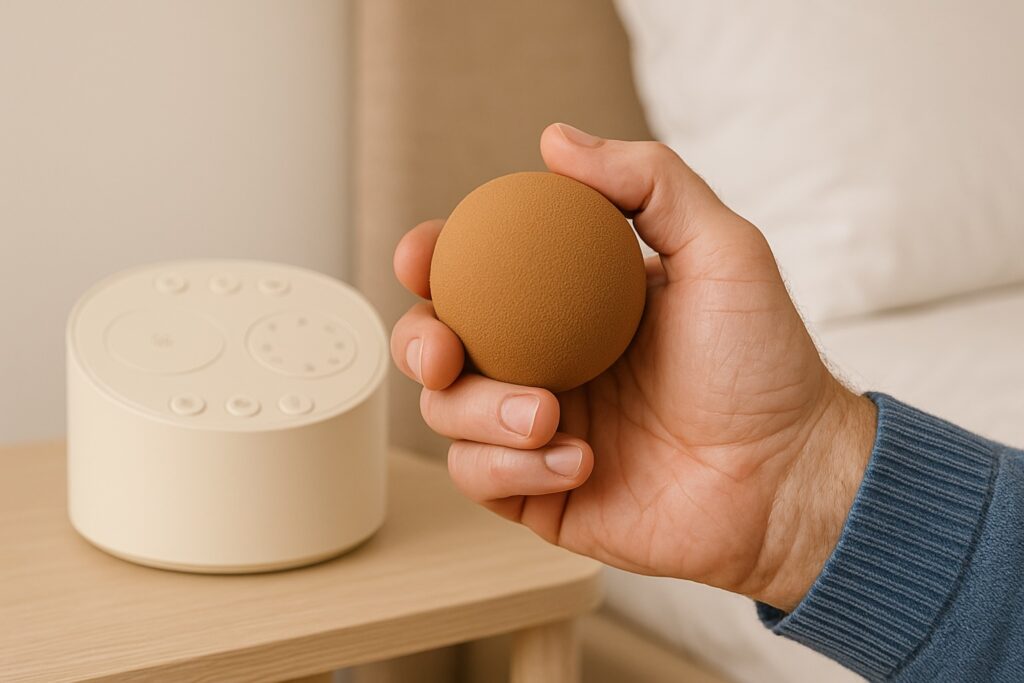
    *AI-generated renderings

    User research and interviews revealed that conventional CPAP devices are overloaded with features. Most are rarely used.
    We reduced the product to its essentials and translated core functions into a tactile, intuitive interface.

    One underestimated pain point: the device’s visual impact in the bedroom. Bright LEDs, sterile colors, technical shapes. It disrupt rest, intimacy, and personal space. Some patients even reported ending therapy due to the intrusive design. Our response: a product that respects the atmosphere of the bedroom. Inspired by Hygge, we balanced comfort and medical function.

    *
    *

    Another challenge is the pressure spike at the beginning of each session. Especially for new patients, it can feel overwhelming and even like short-term breathlessness.

    To support this moment, vent includes a haptic feedback element: a smart ball that physically reflects the pressure increase by expanding and contracting in the patient’s hand.
    The interaction is two-way: if the pressure feels too intense, the patient can grip the ball and the system senses this and lowers the pressure accordingly. A simple principle: pressure creates counterpressure. This physical interaction is intuitive and calming in a high-stress moment.
    vent supports patients not just technically, but emotionally — right from the start.

    *
  • 2* of them

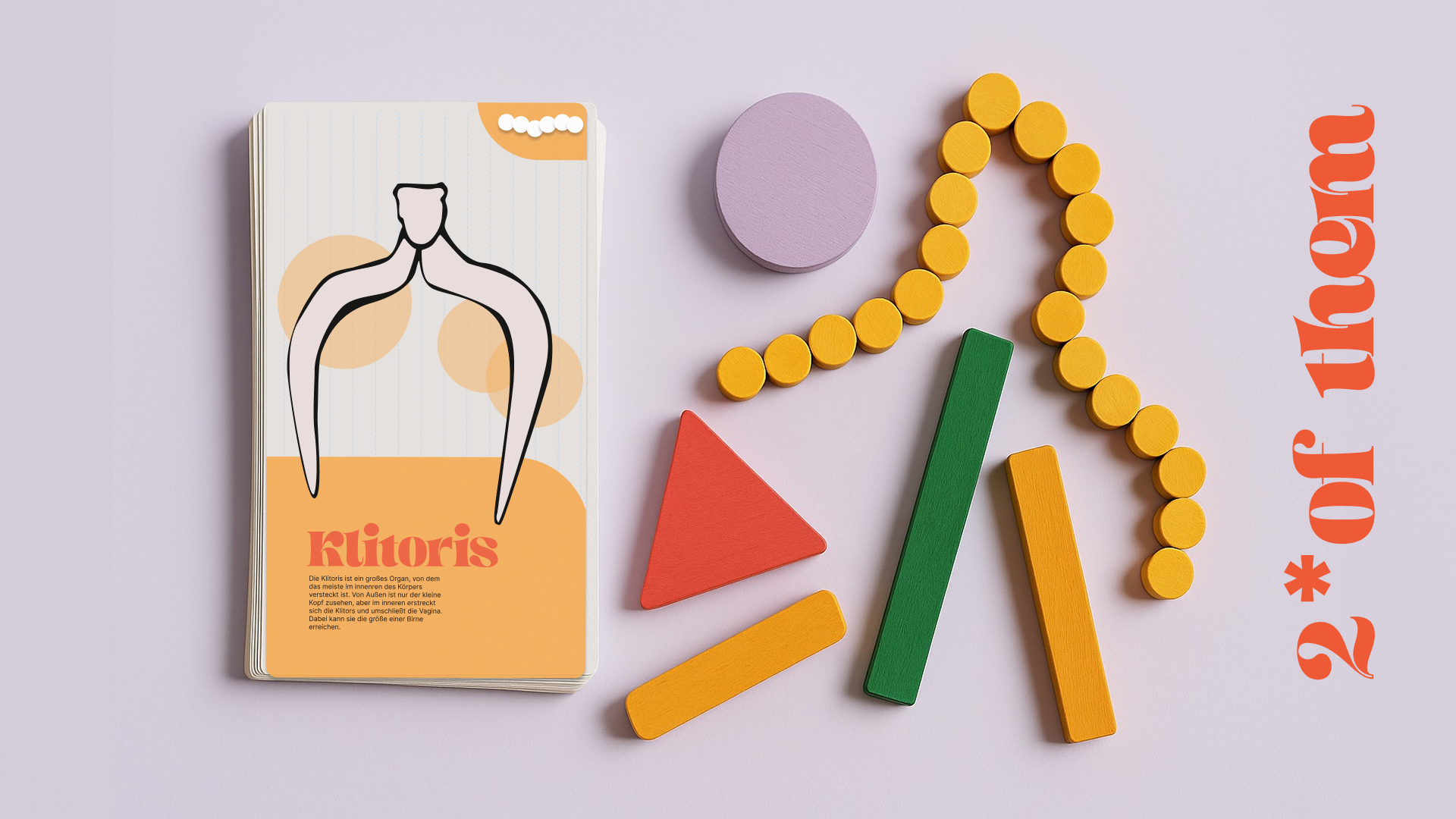
    2* of them

    Workshop Project